
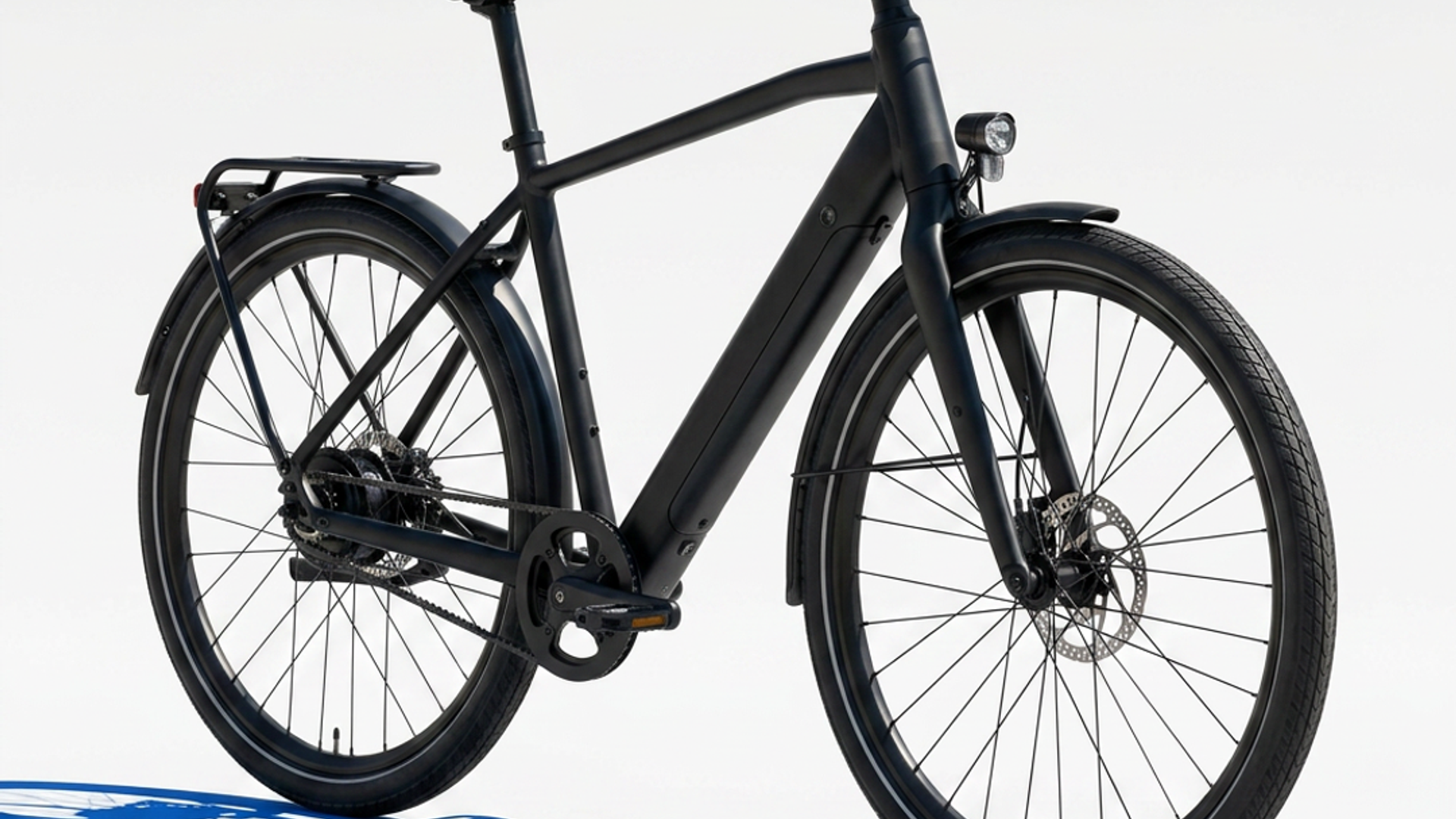
An e-bike and an electric scooter both replace short car trips. Both charge at home, park almost anywhere, and cut through traffic. But they are different vehicles, and picking the wrong one means it collects dust in 90 days.
This guide breaks down the real tradeoffs. There is no universal winner. There is just the vehicle that fits your actual situation.
The core difference
An e-bike works like a bicycle with electric assist: you pedal, the motor amplifies your effort, and you cover ground faster and with less sweat. Most e-bikes have multiple assist levels, so you can get exercise on good days and coast on bad ones.
A scooter is a stand-on vehicle: you push the throttle and it moves. No pedaling, no cycling motion, no gear shifts. It is closer in feel to riding a skateboard than a bicycle.
That single difference shapes everything else: how much each type weighs, how far they go, where you can legally ride them, what they cost, and what kind of rider finds each one practical.
When an e-bike makes more sense
Your commute is over 8 miles each way. E-bikes average 30-50 miles of range on a charge. Most commuter scooters manage 12-20 miles. For longer rides, the scooter runs out of runway first.
Your route has hills. A 750W e-bike motor carries a 200-lb rider up a 20% grade without struggling. A 350W scooter motor maxes out around 15% before speed drops noticeably. Bikes win on steep terrain.
You need to carry things. A rear rack on an e-bike holds groceries, a laptop bag, or a child seat. Scooters have almost nowhere to put cargo beyond small handlebar bags.
You want the exercise option. A tough day: you dial up full assist and barely pedal. A good day: you drop the assist and get a workout. Scooters offer throttle only.
Local laws favor bikes. In most US states, e-bikes classified as Class 1 or 2 can use bike lanes and many multi-use paths. Electric scooters face more restrictions, including prohibitions from certain paths and mandatory registration in some cities.
When a scooter makes more sense
Your commute is short and flat. If you are covering 5 miles of relatively level ground, a scooter handles it easily and costs significantly less.
You use transit connections. A folding scooter at 26-30 lbs fits under a train seat. An e-bike at 55-65 lbs does not. Most transit agencies restrict e-bikes by size and weight even when folded.
Storage space is limited. A folding scooter leans against your desk or slides under a bed. An e-bike, even folded, takes up meaningful floor space in a small apartment.
You do not want to pedal. If the idea of occasional pedaling sounds like a chore, buy a scooter. There is no point in paying for a feature you will resent.
Budget is a hard constraint. A solid commuter scooter starts around $299. A comparable-quality e-bike starts around $599. The gap is real money.
Cost comparison
Rough ranges for quality-tier options currently available:
| | Entry scooter | Mid-tier scooter | Entry e-bike | Mid-tier e-bike | |---|---|---|---|---| | Price | $250-350 | $450-700 | $599-799 | $899-1,400 | | Real range | 10-15 miles | 15-25 miles | 25-40 miles | 35-55 miles | | Weight | 22-28 lbs | 28-35 lbs | 48-58 lbs | 55-70 lbs |
Ongoing costs are similar. Both charge on standard household outlets. A full charge runs $1-3 in electricity. Tires, brakes, and the battery (typically 500-1,000 charge cycles before meaningful degradation) are the main ongoing expenses.
Range and terrain
E-bikes clear longer distances and harder terrain. If you live in a hilly city or your commute spans more than 10 miles, the scooter hits its limits before you do.
Scooters are better at short, urban, flat routes. They are nimble in traffic, quick to fold, and easy to carry when needed. A scooter is purpose-built for 3-8 miles of city riding.
Portability and storage
A quality folding scooter weighs 26-32 lbs and folds in under 5 seconds. You can carry it one-handed. It fits under a desk, in a locker, or against a wall in a narrow hallway.
An e-bike, even folded, weighs 50-65 lbs and takes up real floor space. Carrying it up stairs is possible but tiring. If you live on the fourth floor of a walk-up, you will feel the weight difference every single day.
The bottom line
Pick an e-bike if your commute is long, your route has hills, you carry things regularly, or you want a vehicle that doubles as exercise equipment.
Pick a scooter if your route is short and flat, you take transit connections, storage space is tight, or you want the lower price point.
Both options are available now:
- Browse e-bikes at Open Throttle: UL 2849 certified bikes for commuters and recreational riders. - Browse electric scooters at Open Throttle: UL 2272 certified scooters with a 30-day return window.
Not sure which type fits your route? The e-bike and scooter pages each include specs and pricing that help you narrow it down.